
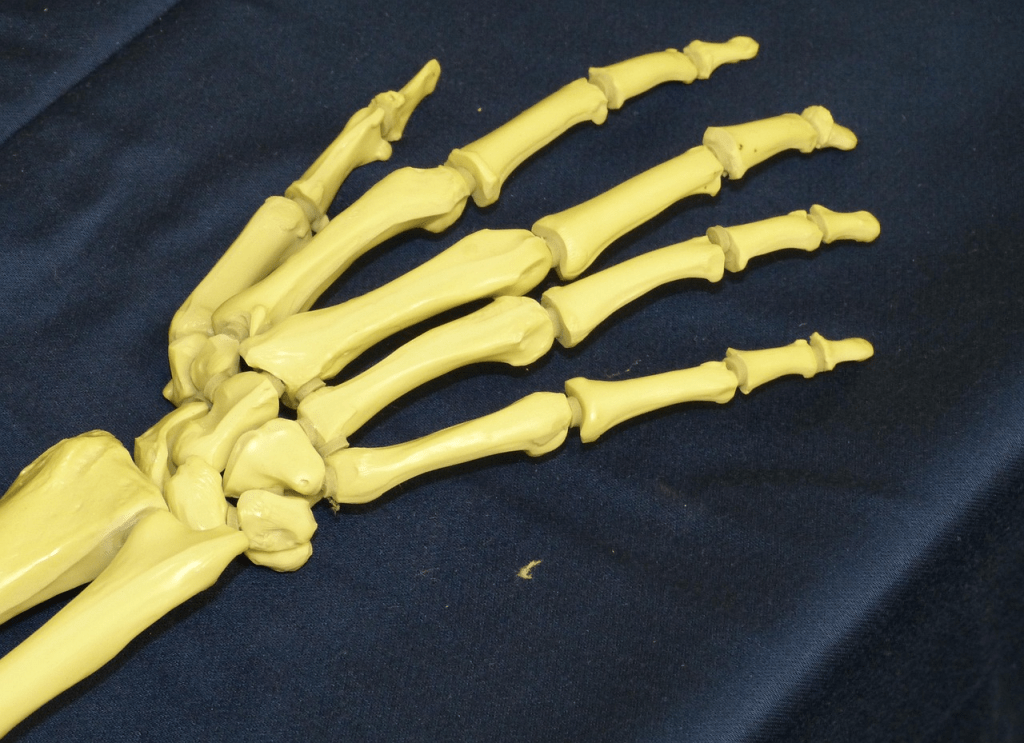
Source: falco on Pixabay
How Does it Work?
Hey y’all! Welcome to the final blog of the semester! Today we’re discussing bone marrow transplants and how they work. For starters, we’ll be comparing two main kinds of transplant: autologous and allogenic. An autologous transplant is a transplant that comes from the patient’s own stem cells. On the other hand, an allogenic transplant comes from a different donor’s stem cells. Each of these processes come with their own unique benefits and risks!
Taking a look at both autologous and allogenic transplants, the set up involves extracting blood from the patient (or donor) through apheresis. These stem cells are then extracted from the blood through a process that separates out the different parts. Then, the patient has to undergo chemotherapy to reduce their immune system to help with the transplantation of the stem cells. Once it is time to transplant them, the stem cells are given intravenously. They then travel and repopulate the bone marrow. Pretty fascinating, right?!
HLA Compatibility
Now, we’re going to take a look at how donors and patients are matched for allogenic transplants. To do this, doctors use something called HLA matching to give the transplant the best chance of working. They are looking for a 10/10 match which means having matches at 5 loci: HLA-A, HLA-B, HLA-C, HLA-DRB1, and HLA-DQB1. The greatest chances of finding a 10/10 match are between siblings, because the genetic programming for these loci come from parents. This means the best odds of them lining up come from the alleles of parents combining in the same way.
Another form of matching is a haploidentical match. This type of match has been studied recently with more success and involves having a 5/10 match at the previously discussed loci. These donors are typically from parents (mother or father) and, again, siblings. Modern technology has helped with complications that have typically arisen from not having 10/10 matches in the past. We’ll take a look at one of these complications and what can be done to mitigate it in the next section!
Graft vs Host Disease (GVHD)
Alright, now that we have established what a bone marrow transplant is and how the different types work, we are going to look at GVHD, a common complication from allogenic transplants. GVHD is caused by donor T-cells attacking the host’s tissues and occurs in these three steps: tissue damage causing a cytokine storm, donor T-cell priming, and the effector phase. Essentially, the chemotherapy pretreatment that weakens the immune system also causes tissue damage. This causes the host’s tissue to release a storm of cytokines that activates the host APCs. Then, the donor T-cells recognize the HLA presented on the host tissue and interpret them as foreign, causing an attack. Finally, this attack manifests through inflammatory cytokines and cytotoxic granules which harms the host’s liver, skin, and gastrointestinal tract. Yikes!
Now we can take a look at the more apparent aspects of GVHD. The common symptoms of severe GVHD include: jaundice, diarrhea, vomiting, and rash. The severity of the effects of GVHD are typically affected by the match level at the 5 specific loci mentioned earlier. The less the donor and patient match at these loci, the more severe the symptoms of GVHD typically are, starting at a 9/10 match. The good news, is that GVHD is treatable at many different stages. Often, steroid treatment can prevent severe symptoms from manifesting, but if more is needed, treatments such as infliximab, pentostatin, sirolimus, and other drugs are used as a second treatment after steroids.





 Karson Does Micro